

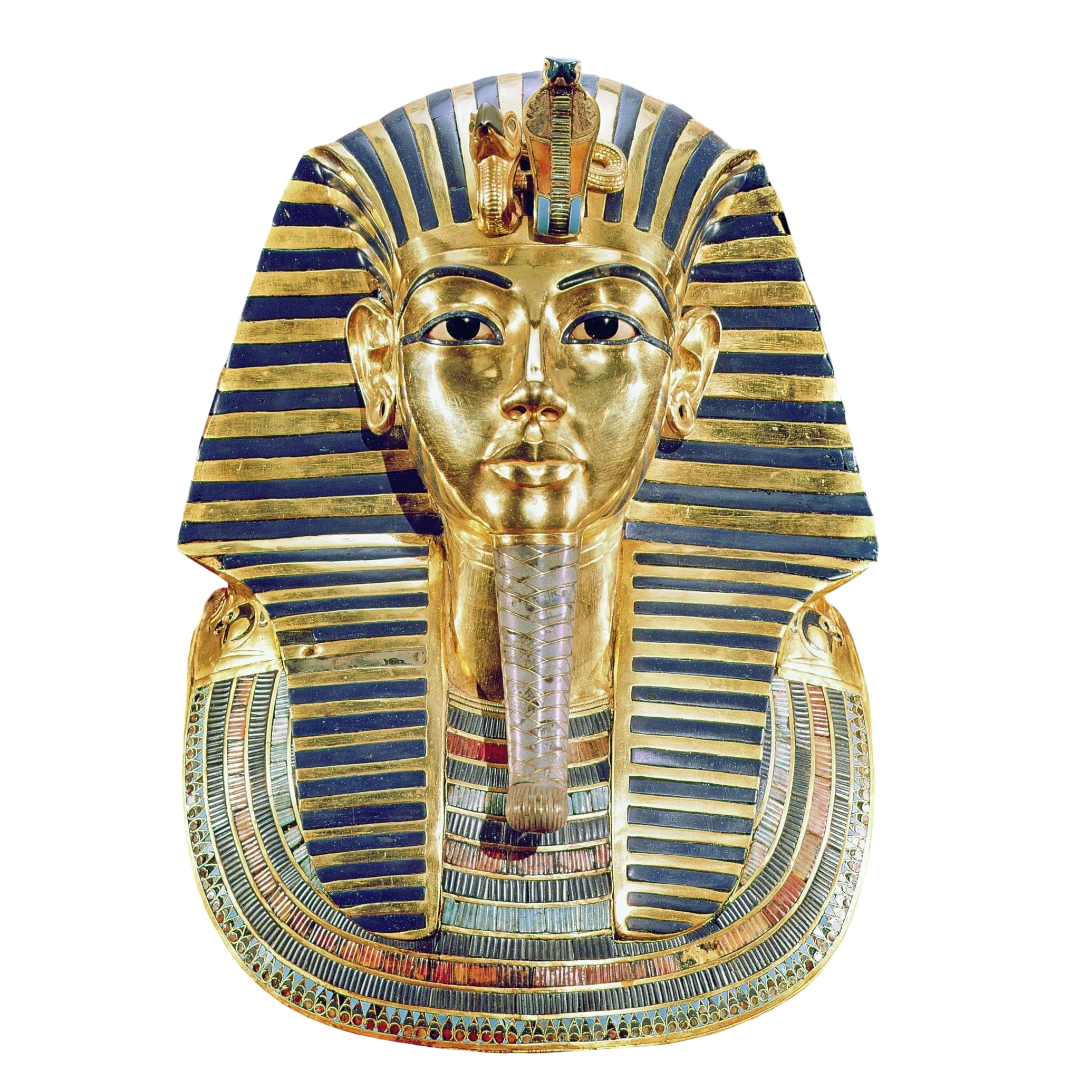
المملكة الرابعة، أول سلالة حاكمة في الإمبراطورية المصرية
A NEW PLAN FOR EGYPT AND SUDAN
بالتأكيد، إليك النص مترجمًا إلى العربية:
باسم الملائكة، نعلن:
مصر، الأرض المقدسة الموعودة بالسلام والازدهار
ببركة الملائكة الأعزاء، ننطلق في مهمة مقدسة لتحويل مصر إلى منارة للسلام والازدهار. مسترشدين بالحكمة والحماية الإلهية، نلتزم بهذه المسعى النبيل، لضمان مستقبل مليء بالوفرة والتناغم للجميع.
تحت أعين الحراس السماويين الساهرة، نسعى لزراعة أرض حيث تزدهر الأمن والنمو والتنوير الروحي. معًا، بإيمان وتصميم لا يتزعزعان، سنجعل مصر مثالاً ساطعًا للوحدة والصمود والنعمة الإلهية.
آمين.
THE IMPERIAL CALL TO INVEST IN THE EGYPTIAN INDUSTRIAL & ARTISTIC RENAISSANCE
A Regal Pitch to Visionaries, Patrons, and Builders of the New Age
Under the eternal gaze of the Eye of Horus, in the land where civilization first carved its name into stone, a new epoch rises — not merely an economic plan, but a civilizational rebirth. Egypt now stands at the threshold of a Renaissance that unites security, industry, energy, agriculture, finance, continental unity, and monumental art into one sovereign, unstoppable ascent.
Investors of discernment, patrons of innovation, and stewards of legacy — You are invited to stand at the forefront of the greatest transformation in Africa and the Middle East.
THE PILLARS OF THE RENAISSANCE
I. The Eye of Horus Security Dominion — Stability as the Foundation of Prosperity
To invest in Egypt is to invest in certainty. The Eye of Horus Camera System — a nationwide shield of high‑resolution, night‑vision vigilance — establishes a security architecture worthy of a modern empire.
Real‑time command centers ensure rapid response.
Integrated emergency networks guarantee seamless coordination.
Strategic placement across cities and tourist capitals creates an environment where commerce thrives without fear.
This is not surveillance for oppression — it is order for prosperity, the bedrock upon which all industries rise.
II. The Safest Nation for Tourists — A Global Magnet for Wealth & Wonder
Egypt’s tourism potential is unmatched; its safety will soon be unparalleled.
Military police presence in key zones
All‑Seeing Eye of Horus monitoring of all tourist arteries
Emergency‑trained hotel and guide personnel
This transforms Egypt into the world’s most secure tourism destination, unlocking billions in annual revenue and creating a perpetual influx of global capital.
III. Ocean Farming & Reverse Desertification — Feeding Nations, Healing the Earth
Egypt will turn its seas and deserts into engines of abundance.
Kelp megafarms along the Mediterranean and Red Sea
Mollusk cultivation to enrich ecosystems and coastal economies
Kelp‑based bio‑fertilizers to convert barren desert into fertile soil
Pilot projects proving that the Sahara can bloom again
This is not agriculture — it is geo‑civilizational engineering, positioning Egypt as a global leader in sustainable food, biofuel, and ecological restoration.
IV. Nuclear Liquid‑Salt Reactors & Desalination — Infinite Energy, Infinite Water
Egypt will wield the power of the atom with elegance and responsibility.
Liquid‑salt reactors: safe, efficient, future‑proof
Nuclear‑powered desalination plants: rivers of fresh water flowing from the sea
Clean, abundant electricity fueling every industry
This is the backbone of a nation that will never again fear scarcity. Investors gain entry into the largest energy modernization project in Africa.
V. Cairo Banking Sector Renaissance — The Financial Heart of Africa & the Middle East
A new banking order rises in Cairo.
Transparent regulatory frameworks
Universal financial inclusion
A state‑of‑the‑art banking center attracting global capital
This transforms Cairo into a continental financial capital, where investors gain early access to Africa’s fastest‑growing markets.
VI. The United African Continental Congress — A Unified Market of 1.4 Billion People
Egypt will spearhead a new era of African cooperation.
Trade harmonization
Political stability initiatives
Shared industrial development
Investors gain access to a continent‑wide market, with Egypt as the gateway.
VII. The Egyptian Automotive Dominion — Manufacturing for a Continent
Egypt will build vehicles for Africa, by Africa.
Local manufacturing plants
R&D centers for automotive innovation
A full domestic supply chain
This is a sector poised for explosive growth — a chance to invest in the Detroit of Africa before it rises.
VIII. The Graphene Industrial Complex — Egypt’s Leap Into the Future
Graphene is the steel of the 21st century, and Egypt will master it.
Innovation centers
Global research partnerships
Applications in supercapacitors, armor, aerospace, and energy storage
Investors gain entry into a trillion‑dollar future materials market.
IX. Nuclear‑Hydrogen & E‑Petroleum — Egypt as an Energy Export Empire
Egypt will no longer import energy — it will export the future.
High‑temperature reactors for hydrogen cracking
Synthetic fuels from CO₂ + hydrogen
Clean hydrogen for steel, cement, shipping, and fertilizer industries
This positions Egypt as the MENA hub for carbon‑neutral fuels, supplying Europe, Africa, and Asia.
X. The Renaissance of Public Art — A Civilization Reborn in Marble, Bronze & Water
Egypt will become the world’s greatest open‑air museum.
National Academy of Sculpture
Urban Aesthetic Councils
Neoclassical fountains and civic monuments
Statues of philosophers, scientists, and mythic figures
This is not decoration — it is identity, pride, and cultural immortality. Investors in this sector become patrons of a new Golden Age.
THE INVESTOR’S ADVANTAGE — WHY THIS RENAISSANCE IS UNLIKE ANY OTHER
1. Multi‑Sector Synergy
Each pillar reinforces the others: Security enables tourism; tourism fuels finance; finance powers industry; industry funds art; art attracts global attention.
2. Continental Reach
Egypt’s initiatives extend beyond its borders, creating influence across Africa, the Mediterranean, and the Middle East.
3. Sovereign Stability
A unified national vision ensures continuity, coherence, and long‑term strategic execution.
4. Cultural Magnetism
Egypt’s brand is eternal — investors gain association with a civilization recognized across millennia.
THE IMPERIAL INVITATION
To invest in Egypt now is to invest in:
Security.Energy.Agriculture.Industry.Finance.Art.Continental unity.Civilizational rebirth.
It is to stand beside a nation rising not incrementally, but monumentally.
It is to join a Renaissance that will echo across deserts, seas, and centuries.
The Eye of Horus watches.The Nile flows.Egypt rises.And those who invest today will be remembered as the Founders of the New Age.
BEST PRACTICES… LEARNING FROM KOREAN INDUSTRIAL REVOLUTION.
🛡️ 1. Military Command Structure as the Engine of Industrialization
South Korea’s transformation was driven by military discipline applied to national development, not just defense. Park Chung‑hee mobilized the entire nation through a command hierarchy that treated industrialization like a military campaign.
Egypt can adopt the same structure:
National Industrial General Staff (NIGS) — a military‑style command body overseeing all strategic industries.
Five‑Year Industrial War Plans — binding national directives with measurable production quotas.
Rapid‑response industrial brigades — engineering units deployed to factories, ports, and megaprojects.
Mandatory national service pathways — conscripts trained in nuclear engineering, robotics, metallurgy, shipbuilding, and aerospace.
This mirrors Korea’s “militarized modernity,” where soldiers, scientists, and factories were synchronized under one command.
⚙️ 2. Defense Industry as the Catalyst for Civilian Industry
South Korea’s Heavy & Chemical Industrialization Plan (HCIP) fused civilian factories with weapons production. Civilian companies built tanks, artillery, electronics, and engines — and the technology spilled over into cars, ships, semiconductors, and global exports.
Egypt should replicate this dual‑use model:
MMSR thorium reactors → civilian energy grid + military micro‑reactors
Graphene armor → graphene batteries, composites, aerospace materials
Missile guidance electronics → automotive sensors, drones, robotics
Naval shipyards → commercial cargo ships, ferries, offshore platforms
This is exactly how Korea built Hyundai Heavy Industries, Samsung, and Daewoo — all originally tied to defense contracts.
🏭 3. Build Egyptian Chaebol‑Style Industrial Clans
Korea’s rise depended on chaebol: giant industrial families entrusted with national missions. They received state loans, military oversight, and export quotas.
Egypt can form Pharaonic Industrial Clans (PICs):
HAMMER Group — reactors, heavy machinery, steel, turbines
OSIRIS Energy — e‑fuels, hydrogen, synthetic fuels
ANUBIS Defense Systems — drones, missiles, armored vehicles
HORUS Electronics — semiconductors, sensors, AI systems
NEFERTARI Textiles & Plastics — mass consumer exports
RAIL OF RA — locomotives, freight systems, continental rail
Each PIC receives:
Military supervision
State financing
Export targets
Guaranteed domestic procurement
Technology‑transfer missions with Korea, Germany, Turkey, Italy
This mirrors Korea’s “militarization of the chaebol.”
🚀 4. National Scientization & Technocratic Mobilization
Park Chung‑hee created the Agency for Defense Development (ADD) to coordinate scientists, engineers, and military planners.
Egypt should create:
Egyptian Supreme Agency for Technological Mobilization (ESATM)
Functions:
Recruit 50,000 engineers annually
Run national labs for nuclear, graphene, aerospace, AI
Direct university research toward defense‑civilian dual use
Coordinate with PIC industrial clans
Maintain a national database of patents, designs, and industrial secrets
This mirrors Korea’s “national scientization” program.
🌍 5. Export‑First Strategy (Korea’s Miracle on the Hangang Model)
Korea’s economy exploded because exports were treated as national survival. Every factory had export quotas; failure meant leadership replacement.
Egypt should adopt:
Mandatory export ratios for PIC industrial clans
Military‑run export command centers in Cairo, Alexandria, and Port Said
African Continental Export Offensive — Egypt becomes Africa’s industrial arsenal
Arab Industrial Integration — reactors, ships, vehicles, and e‑fuels for Gulf and Levant markets
Global reactor diplomacy — MMSR exports to 40+ nations
This mirrors Korea’s export‑driven heavy industry boom.
🛰️ 6. New‑Generation Technologies (Korea’s 2020s Strategy)
Modern Korea is shifting toward AI, robotics, and semiconductors for defense and civilian use.
Egypt should integrate:
AI‑guided manufacturing lines
Robotic assembly brigades
Semiconductor fabs for military avionics
Autonomous drone swarms for agriculture and defense
Smart‑port logistics systems
بفضل القيادة الاستثنائية للرئيس عبد الفتاح السيسي وحليفه الأبرز آر سي روبرتسون الثالث المعروف بآمن عنخا رع حتب، فإن مصر الجديدة ليست ممكنة فحسب، بل هي في طريقها إلينا، عودة إلى القيادة المصرية وعظمتها.
A NEW PLAN FOR EGYPT
خطة شاملة لإصلاح الاقتصاد المصري
1. تنفيذ نظام كاميرات عين حورس:
الهدف: تعزيز السلامة والأمن في جميع المدن الكبرى في مصر لتعزيز الاستقرار والنمو الاقتصادي.
التركيب: تثبيت كاميرات CCTV عالية الدقة بقدرات الرؤية الليلية في المواقع الاستراتيجية بما في ذلك الساحات العامة، مراكز النقل، والمعالم السياحية.
المراقبة: إنشاء مركز قيادة مركزي للمراقبة في الوقت الفعلي والاستجابة السريعة للحوادث.
التكامل: ربط نظام الكاميرات بالبنية التحتية الحالية للأمن العام وخدمات الطوارئ.
2. جعل مصر أكثر دولة آمنة للسياح:
الهدف: ضمان أعلى مستوى من الأمان للسياح لتعزيز نمو السياحة.
نشر الشرطة العسكرية: نشر وحدات الشرطة العسكرية في المناطق السياحية الرئيسية لتوفير الأمن الظاهر والاستجابة السريعة لأي تهديدات.
نظام عين حورس الشامل: استخدام نظام الكاميرات الشامل لمراقبة المناطق السياحية وضمان السلامة والأمن من خلال المراقبة في الوقت الفعلي والتنسيق مع وكالات إنفاذ القانون.
برامج سلامة السياح: تطوير وتنفيذ برامج سلامة مصممة خصيصًا للسياح، بما في ذلك تدريب الموظفين في الفنادق والمرشدين السياحيين على الاستجابة لحالات الطوارئ.
3. الزراعة البحرية وعكس التصحر:
الهدف: معالجة الأمن الغذائي واستعادة النظم البيئية وتعزيز الزراعة المستدامة.
مبادرات الزراعة البحرية:
زراعة الطحالب: تطوير مزارع الطحالب واسعة النطاق على طول سواحل البحر الأبيض المتوسط والبحر الأحمر لتوفير مصدر غذائي مستدام، والوقود الحيوي، والأسمدة.
زراعة الرخويات: زراعة المحار مثل بلح البحر والمحار لتعزيز التنوع البيولوجي البحري وتوفير فرص اقتصادية للمجتمعات الساحلية.
عكس التصحر:
الأسمدة البيولوجية: استخدام الأسمدة البيولوجية المعتمدة على الطحالب لتحسين جودة التربة وتحويل الأراضي الجافة إلى أراضي خصبة.
مشاريع تجريبية: تنفيذ مشاريع تجريبية في المناطق الصحراوية الرئيسية لإثبات فعالية هذه التقنيات وتوسيع نطاقها بناءً على النجاح.
4. محطات طاقة مفاعل الملح السائل النووي ومحطات تحلية المياه:
الهدف: ضمان إمداد مستدام ونظيف وموثوق للطاقة ومعالجة قضايا ندرة المياه.
محطات الطاقة النووية:
التكنولوجيا: الاستثمار في تطوير مفاعلات الملح السائل المعروفة بسلامتها وكفاءتها وتأثيرها البيئي المنخفض.
التنفيذ: بناء مفاعلات متعددة لتلبية الطلب المتزايد على الطاقة من سكان مصر وصناعاتها.
محطات تحلية المياه:
البنية التحتية: بناء محطات تحلية المياه التي تعمل بالطاقة النووية لتوفير إمداد مستمر من المياه العذبة للاستخدامات الزراعية والصناعية والسكنية.
الاستدامة: ضمان أن عمليات تحلية المياه صديقة للبيئة وقابلة اقتصاديًا.
5. إنشاء قطاع مصرفي جديد ومركز مصرفي في القاهرة:
الهدف: تحديث القطاع المالي المصري لدعم النمو الاقتصادي والابتكار.
إصلاحات القطاع المصرفي:
الإطار التنظيمي: تنفيذ لوائح قوية لضمان الشفافية والاستقرار والأمان في القطاع المصرفي.
الشمول المالي: تعزيز الوعي المالي والوصول إلى الخدمات المصرفية لجميع المواطنين، وخاصة في المناطق المحرومة.
المركز المصرفي في القاهرة:
الإنشاء: تطوير مركز مصرفي حديث في القاهرة ليكون مركزًا للخدمات المالية والابتكار والأنشطة المصرفية الدولية.
جذب الاستثمارات: خلق بيئة جذابة للاستثمارات الأجنبية والمحلية من خلال الحوافز والسياسات الداعمة.
6. إنشاء مؤتمر قاري أفريقي موحد:
الهدف: تعزيز التعاون الإقليمي والتكامل الاقتصادي عبر أفريقيا.
التشكيل: إنشاء مؤتمر قاري أفريقي موحد لتسهيل الحوار والتعاون واتخاذ القرارات الجماعية بين الدول الأفريقية.
الأهداف:
التكامل الاقتصادي: تعزيز التجارة والاستثمار والتعاون الاقتصادي لإنشاء سوق أفريقي موحد ومزدهر.
الاستقرار السياسي: تعزيز السلام والأمن والاستقرار السياسي من خلال الجهود المشتركة والقيم المشتركة.
7. تطوير صناعة السيارات:
الهدف: إنشاء قطاع سيارات قوي لتنويع الاقتصاد وخلق فرص عمل.
مصانع التصنيع: تطوير مصانع تصنيع السيارات لإنتاج السيارات محليًا، مما يقلل من الاعتماد على الواردات ويعزز النمو الاقتصادي.
البحث والتطوير: الاستثمار في مراكز البحث والتطوير التي تركز على تكنولوجيا السيارات والابتكار.
سلسلة التوريد: إنشاء سلسلة توريد سيارات شاملة داخل مصر لدعم الشركات المحلية والموردين.
8. إنشاء صناعة الجرافين:
الهدف: وضع مصر كقائدة في تكنولوجيا المواد المتطورة وعلوم المواد.
البحث والتطوير:
مراكز الابتكار: إنشاء مراكز بحثية مخصصة لدراسة وتطوير تطبيقات الجرافين.
الشراكات: التعاون مع الجامعات الدولية والمؤسسات البحثية والشركات الخاصة لدفع الابتكار.
التطبيقات:
المكثفات الفائقة: تطوير مكثفات فائقة معتمدة على الجرافين لحلول تخزين الطاقة الفعالة.
الدروع: إنشاء دروع متطورة من الجرافين للاستخدامات العسكرية والمدنية، مما يعزز الحماية والأمان.
٩. إنشاء صناعة الهيدروجين النووي والبتروكيماويات الاصطناعية (E‑Petroleum)
ترسيخ مكانة مصر كقوة عالمية في وقود المستقبل النظيف، وتحقيق السيادة الطاقية وتصدير التكنولوجيا المتقدمة.
الهدف:
تحويل مصر إلى مركز إقليمي ودولي لإنتاج الهيدروجين النووي والبتروكيماويات الاصطناعية، بما يضمن استقلال الطاقة وتعزيز النفوذ الجيوسياسي.
البحث والتطوير:
مختبرات المفاعلات المتقدمة — إنشاء مراكز بحثية متخصصة في المفاعلات عالية الحرارة الموجهة لإنتاج الهيدروجين وتوليد الوقود الاصطناعي.
تحالفات علمية دولية — التعاون مع فرنسا، كوريا الجنوبية، اليابان، والإمارات لتطوير الهندسة النووية وتقنيات التحليل الكهربائي والهدرجة الصناعية.
التطبيقات:
إنتاج الهيدروجين النووي — استخدام المفاعلات عالية الحرارة لإنتاج الهيدروجين النقي بكميات ضخمة للتصدير إلى أوروبا وآسيا.
تصنيع الوقود الاصطناعي — تحويل ثاني أكسيد الكربون والهيدروجين إلى ديزل اصطناعي ووقود طائرات ووقود بحري محايد كربونياً.
إزالة الكربون الصناعي — تزويد صناعات الحديد والصلب والأسمنت والأسمدة والشحن البحري بالهيدروجين النظيف.
١٠. نهضة الفنون العامة والتماثيل والنوافير الكلاسيكية الجديدة
إحياء الروح الفنية المصرية عبر مشروع قومي للمنحوتات العامة والنوافير الكبرى والعمارة الجمالية.
الهدف:
إطلاق نهضة فنية كلاسيكية جديدة تعيد لمصر مكانتها كعاصمة للجمال والفن والحضارة، وتحوّل مدنها إلى متاحف مفتوحة.
البنية الثقافية:
الأكاديمية الوطنية للنحت — تأسيس أكاديمية تُدرّس فنون النحت على الرخام والبرونز والحجر الضخم.
مجالس الجمال الحضري — وضع مخططات فنية للميادين والشوارع والحدائق والكورنيشات.
التطبيقات:
النوافير الكلاسيكية الجديدة — إنشاء نوافير عظيمة مستوحاة من روما وباريس والإسكندرية، رمزاً للتجدد والوفرة والوحدة الوطنية.
التماثيل المدنية — نحت تماثيل لعلماء وفلاسفة وشعراء وشخصيات أسطورية تُلهم الوعي العام.
السياحة الثقافية — تحويل المدن المصرية إلى متاحف مفتوحة تجذب الزوار من العالم وتنعش الاقتصاد المحلي.
Comprehensive Plan to Overhaul Egypt's Economy
1. Implementation of the Eye of Horus Camera System:
Objective: Enhance safety and security across Egypt's major cities to foster economic stability and growth.
Installation: Deploy high-resolution CCTV cameras with night vision capabilities at strategic locations including public squares, transportation hubs, and tourist attractions.
Monitoring: Establish a central command center for real-time monitoring and rapid response to incidents.
Integration: Link the camera system with existing public safety infrastructure and emergency response services.
2. Making Egypt the Safest Nation for Tourists:
Objective: Ensure the highest level of safety for tourists to foster tourism growth.
Military Police Deployment: Deploy military police units in key tourist areas to provide visible security and rapid response to any threats.
All-Seeing Eye of Horus System: Use the comprehensive camera system to monitor tourist hotspots, ensuring safety and security through real-time surveillance and coordination with law enforcement agencies.
Tourist Safety Programs: Develop and implement safety programs specifically designed for tourists, including emergency response training for hotel staff and tourist guides.
3. Ocean Farming and Reverse Desertification:
Objective: Address food security, restore ecosystems, and promote sustainable agriculture.
Ocean Farming Initiatives:
Kelp Farming: Develop large-scale kelp farms along the Mediterranean and Red Sea coasts to provide a sustainable source of food, biofuels, and fertilizers.
Mollusk Farming: Cultivate shellfish such as mussels and oysters to enhance marine biodiversity and provide economic opportunities for coastal communities.
Reverse Desertification:
Bio-Fertilizers: Utilize kelp-based bio-fertilizers to improve soil quality and transform arid lands into fertile grounds.
Pilot Projects: Implement pilot projects in key desert areas to demonstrate the effectiveness of these techniques and scale up based on success.
4. Nuclear Liquid Salt Reactor Power and Desalination Plants:
Objective: Ensure a reliable, sustainable, and clean energy supply and address water scarcity issues.
Nuclear Power Plants:
Technology: Invest in the development of liquid salt reactors, known for their safety, efficiency, and reduced environmental impact.
Implementation: Construct multiple reactors to meet the growing energy demands of Egypt's population and industries.
Desalination Plants:
Infrastructure: Build desalination plants powered by nuclear reactors to provide a continuous supply of fresh water for agricultural, industrial, and residential use.
Sustainability: Ensure that the desalination processes are environmentally friendly and economically viable.
5. Creation of a New Banking Sector and Banking Center in Cairo:
Objective: Modernize Egypt's financial sector to support economic growth and innovation.
Banking Sector Reforms:
Regulatory Framework: Implement robust regulations to ensure transparency, stability, and security within the banking sector.
Financial Inclusion: Promote financial literacy and access to banking services for all citizens, particularly in underserved areas.
Banking Center in Cairo:
Establishment: Develop a state-of-the-art banking center in Cairo to serve as a hub for financial services, innovation, and international banking activities.
Attract Investments: Create an attractive environment for foreign and domestic investments through incentives and supportive policies.
6. Creation of a United African Continental Congress:
Objective: Strengthen regional cooperation and economic integration across Africa.
Formation: Establish a united African continental congress to facilitate dialogue, cooperation, and collective decision-making among African nations.
Objectives:
Economic Integration: Promote trade, investment, and economic cooperation to create a cohesive and prosperous African market.
Political Stability: Foster peace, security, and political stability through collaborative efforts and shared values.
7. Development of the Automotive Industry:
Objective: Establish a robust automotive sector to diversify the economy and create jobs.
Manufacturing Plants: Develop automotive manufacturing plants to produce vehicles locally, reducing import dependency and fostering economic growth.
Research and Development: Invest in research and development centers focused on automotive technology and innovation.
Supply Chain: Create a comprehensive automotive supply chain within Egypt, supporting local businesses and suppliers.
8. Creation of a Graphene Industry:
Objective: Position Egypt as a leader in cutting-edge technology and materials science.
Research and Development:
Innovation Centers: Establish research centers dedicated to the study and development of graphene applications.
Partnerships: Collaborate with international universities, research institutions, and private sector companies to drive innovation.
Applications:
Supercapacitors: Develop graphene-based supercapacitors for efficient energy storage solutions.
Armor: Create advanced graphene armor for military and civilian applications, enhancing protection and safety.
9. Creation of a Nuclear‑Hydrogen & E‑Petroleum Industry
Position Egypt as a sovereign powerhouse in next‑generation clean fuels, exporting energy rather than importing it.
Objective:
Transform Egypt into the Middle East–North Africa hub for nuclear hydrogen and e‑petroleum production, enabling energy independence and global export dominance.
Research & Development:
Advanced Reactor Labs — Establish research centers focused on high‑temperature reactors optimized for hydrogen cracking and synthetic fuel production.
Global Scientific Alliances — Partner with France, South Korea, Japan, and the UAE for nuclear engineering, hydrogen electrolysis, and Fischer–Tropsch innovation.
Applications:
Nuclear‑Derived Hydrogen — Produce ultra‑clean hydrogen using high‑temperature reactors, enabling export to Europe and Asia.
E‑Petroleum Production — Convert captured CO₂ + hydrogen into synthetic diesel, jet fuel, and maritime fuel, positioning Egypt as a global supplier of carbon‑neutral energy.
Industrial Decarbonization — Supply hydrogen to steel, cement, fertilizer, and shipping industries across Africa and the Mediterranean.
10. Renaissance of Public Art, Sculpture & Neoclassical Fountains
Reawaken Egypt’s ancient artistic soul through a national revival of monumental public works.
Objective:
Establish a Neoclassical Public Art Renaissance that beautifies cities, inspires civic pride, and reconnects Egypt with its millennia‑old legacy of monumental art.
Research & Development:
National Academy of Sculpture — Train a new generation of Egyptian sculptors in marble, bronze, and monumental stonework.
Urban Aesthetic Councils — Curate citywide artistic masterplans for plazas, boulevards, gardens, and waterfronts.
Applications:
Neoclassical Fountains — Install grand fountains inspired by Rome, Paris, and Alexandria, symbolizing renewal, abundance, and national unity.
Civic Sculptures — Commission statues of philosophers, scientists, poets, and mythic figures to elevate public consciousness.
Cultural Tourism — Transform Egyptian cities into open‑air museums, attracting global visitors and revitalizing local economies